
Taiskirchen im Innkreis · Bezirk Ried
Freiwillige Feuerwehr
Tiefenbach-Wietraun
Freiwillig im Dienst für unsere Gemeinde. Alles Neue aus Einsatz, Übung, Jugend und Verein findest du direkt hier in unserem Facebook-Feed.
1907
Wurzeln seit
45+
Aktive Mitglieder
24/7
Für dich da
Aktuelles aus unserer Feuerwehr
Live von unserer Facebook-Seite
🍺 Letzten Mittwoch fand wieder unser Oktoberfest statt. 🍺
Mit Weißwurst und Weißbier von der Brauerei Ried wurden es gemütliche Stunden im Feuerwehrhaus.

Feuerwehrausflug 2026 🚒
Am 17. Oktober ging es für uns nach Niederbayern:
🏛️ Deggendorf: Interessante Stadtführung durch die Altstadt
🥨 Gasthof Goldener Engel: Weißwurstseminar erfolgreich absolviert
⛪🍺 Aldersbach: Besichtigung der Asamkirche & Brauerlebnisführung
🥩 Haslinger Hof: Gemütlicher Abschluss bei einem Bradl in da Rein
Ein rundum gelungener Tag voller Kameradschaft, Kultur und bester Verpflegung!


Ausflug der Jugend ins Erlebnisbad Therme Erding


– BWG Abschluss –
Auch dieses Jahr hatte unsere Bewerbsgruppe ihren Abschluss-Wandertag. Sie gingen vom Feuerwehrhaus zu ihrem Trainer und grillten dort. Gemeinsam fuhren sie dann ins Weinlesefest nach Wiesing. 🥾🍻
Danke für eure Leistungen bei den Bewerben und die Trainings!


– Monatsübung –
Gestern fand unsere Monatsübung zum Thema Funk statt. Im Zuge der Übung konnten wir gleichzeitig unsere Wasserentnahmestellen kontrollieren.
Vielen Dank für die gute Vorbereitung und die zahlreiche Teilnahme! 🚒


🐟 Steckerlfischpartie 2026 🐟
Am Sonntag veranstaltete unsere Jugend wieder ihre Steckerlfischpartie. Bei bestem Wetter wurden wieder viele Fische und Bratwürstel konsumiert und so manches Getränk getrunken.
Vielen Dank für euer Kommen!
Die Einnahmen werden für die Jugendarbeit verwendet.


Notruf
Feuerwehr-Notruf · rund um die Uhr besetzt. Bleib ruhig und nenne Ort, Was und Verletzte.
Nächste Termine
Über uns
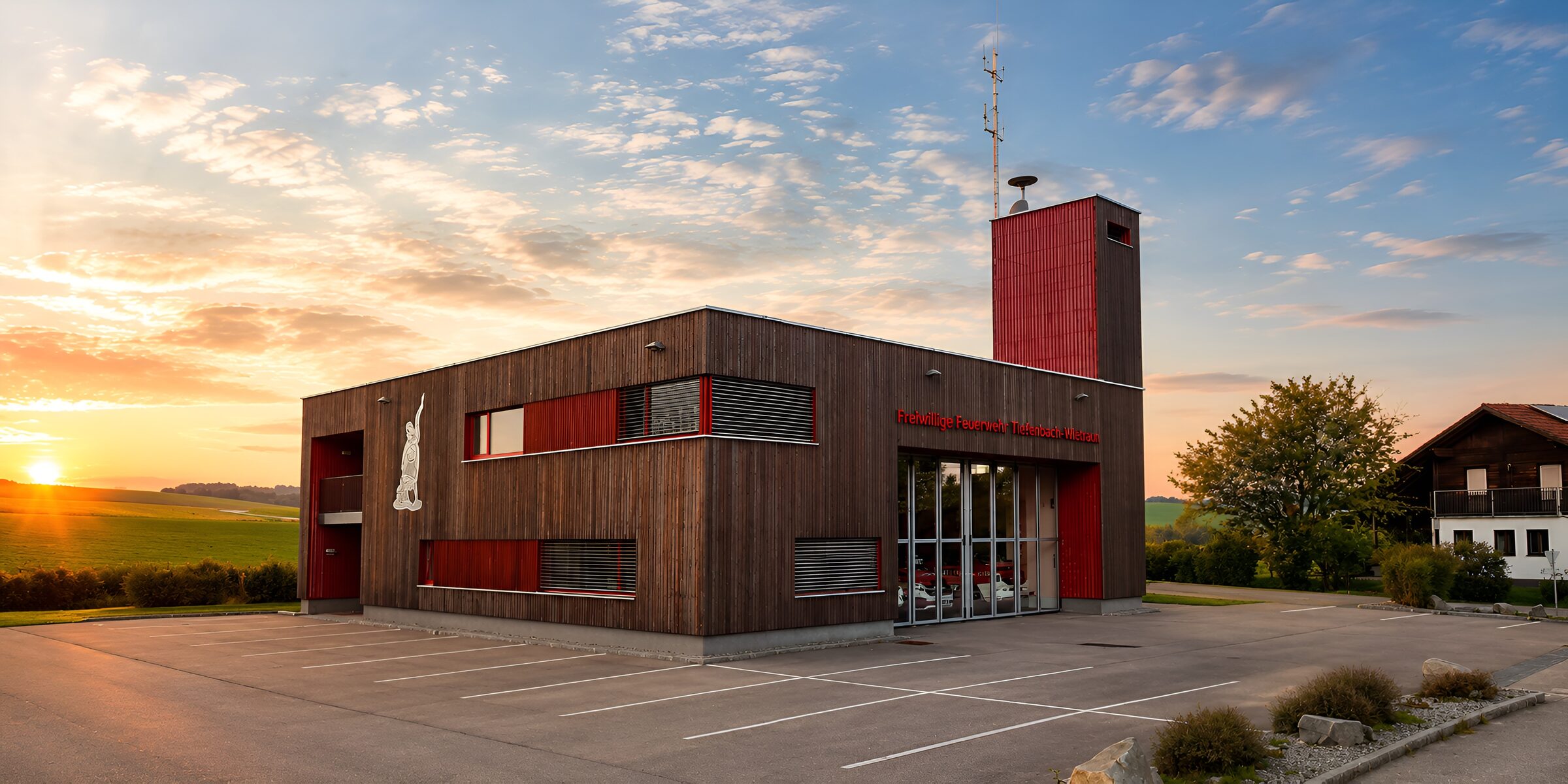
Die Freiwillige Feuerwehr Tiefenbach-Wietraun schützt aus den Löschzügen Tiefenbach und Wietraun (seit 1920 bzw. 1907) Menschen, Tiere und Sachwerte in unserer Gemeinde – bei Bränden, Unfällen und Unwettern. Ehrenamtlich, jederzeit einsatzbereit.